
Blinks
Founder & Designer · 2018–2022
Blinks is a tabletop game system where every piece is both a game cartridge and part of the game system. LED-lit, hexagonal tiles that snap together magnetically to play games with friends. Think whack-a-mole, multi-player pong, shuffleboard with rules on timing and attachment.
Beyond games, Blinks was designed as a system for play. Open-source and easy to program, 1 in 5 customers purchased developer kits and started building their own experiments and games. That ratio wasn't a goal — it was a signal.
The idea came out of my graduate research at MIT. When fellow students kept asking me to bring my thesis project to dinner parties, I realized I might be onto something.
Years earlier, I'd sat in on a talk by Nicholas Negroponte on One Laptop Per Child. What struck me wasn't just the laptop itself, but the holistic thinking behind it: yo-yo chargers, a built-in handle, mesh networking antennae for regions without internet access. The whole system was designed for its users with purpose. That approach to building technology that intentionally enables creativity never left me.
Blinks was built the same way: lots of prototyping, getting it into hands early, and iterating until it felt right. There's an old saying in game design, a late game is just late, but a bad game is bad forever. We took that seriously, but balanced it with our own philosophy: open up early, build with your community.
The result was 1,000+ developer kits sold, 40+ games published by the community, and more than 100,000 units manufactured and shipped worldwide. Blinks was funded through Kickstarter campaigns totaling over $600,000. In 2022, global chip shortages brought Blinks production to a halt.
Nanotronics
Lead Design Engineer · 2023–2026
Nanotronics builds AI-powered inspection and manufacturing technology, systems that help factories see and understand what human eyes and traditional machines cannot.
I joined as a UX/UI designer, splitting time across product and marketing. My experience as a founder working across hardware and software, albeit in a different domain, turned out to be genuinely useful. Three years later, I was running the website, leading product, writing code, and serving as creative director.
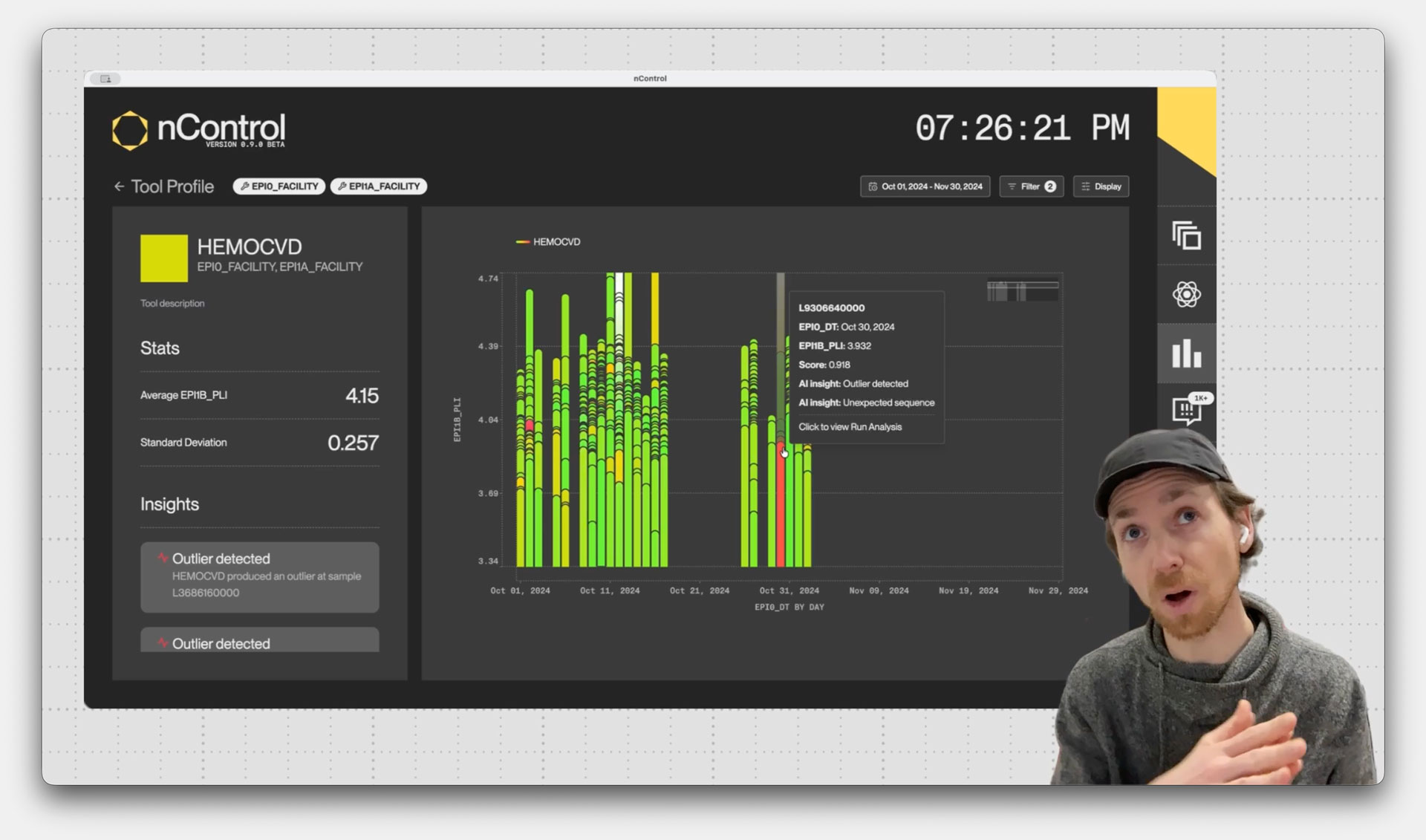
I led my team to deliver a website relaunch ahead of schedule. What had been a minimal web presence became a primary growth channel, generating 100x the leads and meaningfully improving their quality. A subsequent rebrand and site transition, something that often destroys SEO, instead produced 3x growth in organic impressions. Over the last year and a half, content I led has grown to more than 500,000 monthly impressions, and Nanotronics' presence in AI-generated search responses grew from nearly zero to more than 50 critical industry keywords.

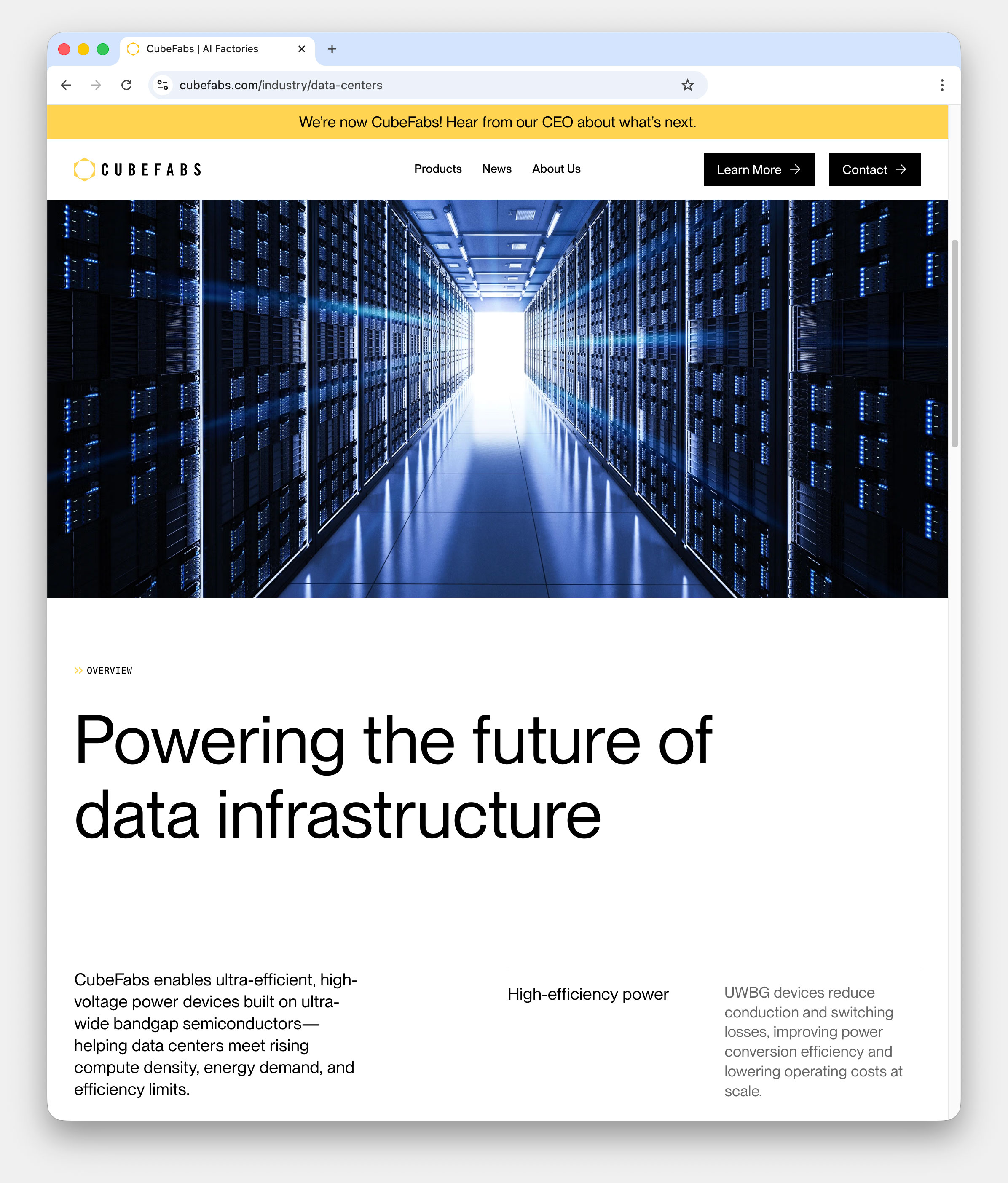
On the product side, I helped grow nControl from research into a deployed beta, as scrum master, designer, and developer. I brought my experience with AI-assisted tools like ChatGPT, Claude Code, and Cursor to allow us to ship features in a fraction of the time and a multiple in quality. There was something fitting about collaborating with AI to build AI for industrial applications.


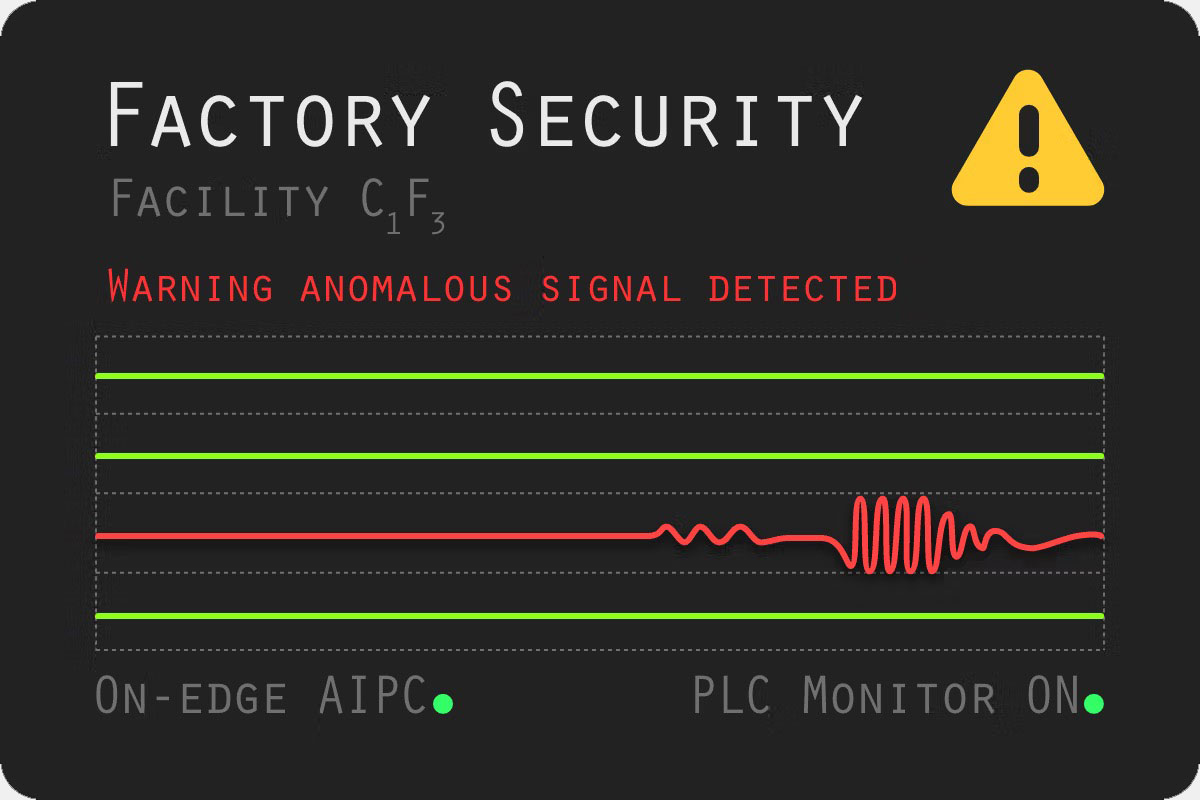
As with my other work, at Nanotronics, my approach has been consistent – keep my tools sharp, collaborate across teams, and bring design, strategy, or code to whatever the problem needs.

Museum of Science & Industry
Designer & Engineer · Potion · 2013
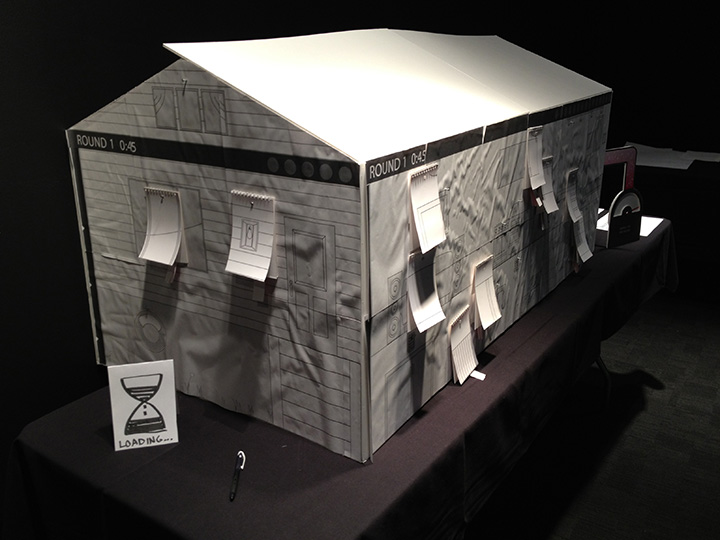
With Potion's team of designers, developers, producers, and 3D artists, I helped to create an immersive space to learn about the future of energy. Stepping into Future Energy is like you put on magic glasses and can see energy particles flowing into and out of everything that consumes and produces them. I was involved in the project from concept pitch to installation, paper prototype to design and software development.
When thinking about energy consumption, one of the biggest hurdles is imagining the actual amounts of energy when you cannot see it in any measurable form. We decided to make the energy unit the star of our installation, with issues such as environment and finances coming in to play as dependent variables. Up to 30 kids or adults can participate at once, grouped into 5 teams, competing to conserve and create as much energy as possible.

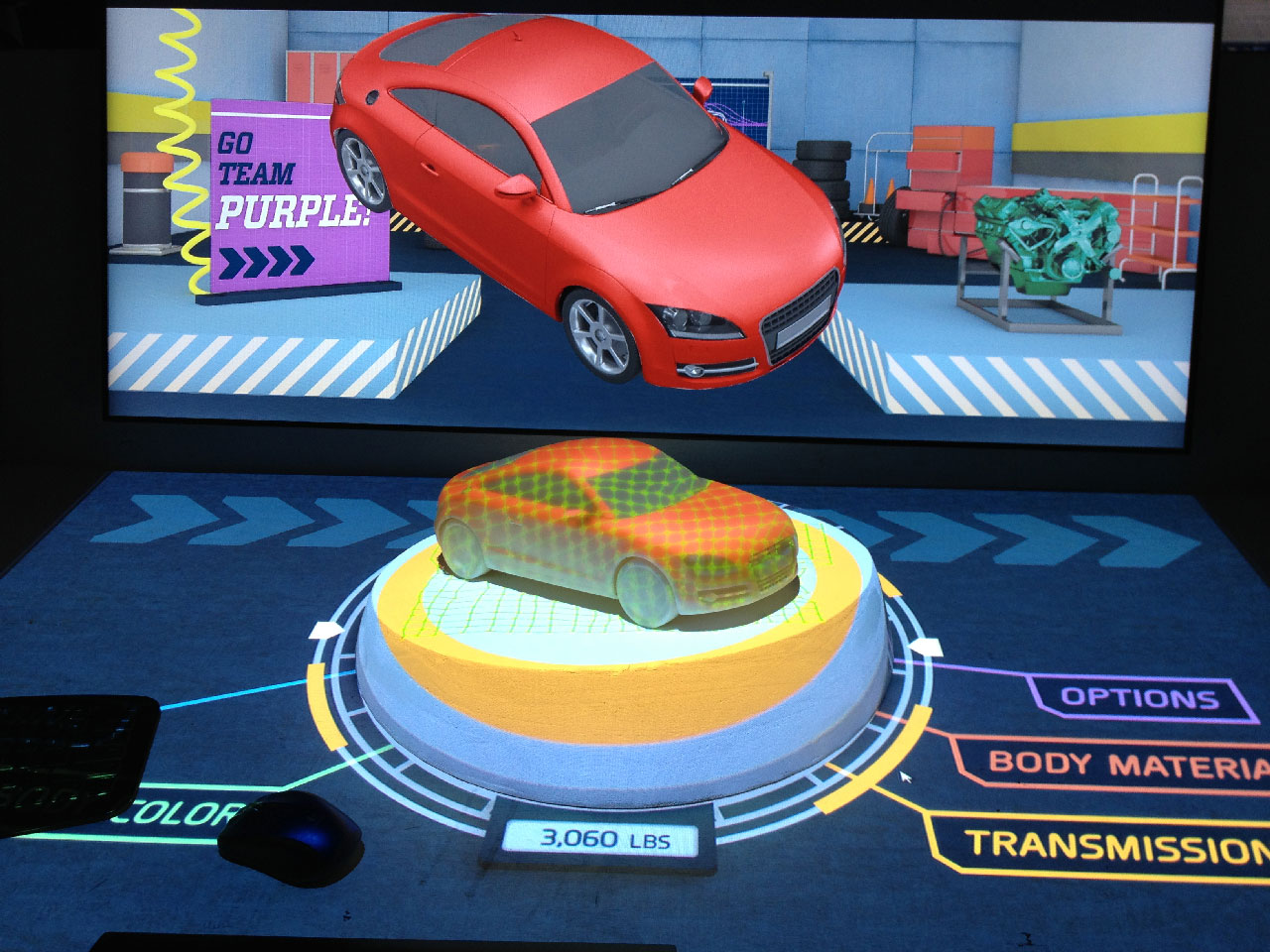
There are 5 interactive installations, each with different form factors that make the space feel more like an augmented reality than a museum interactive screen. I wrote projection mapping software and planned for projectors to provide both a user interface as well as optical illusion to give the impression that a physical car or city is changing in front of your eyes.
I was lead developer for two games. Future House is a physical model of a house that allows the user to touch any item to learn its energy impact, swap in alternatives, and try to make the house energy efficient while under budget. Future Hood is a simulation of a neighborhood where creating stacked mixed-use buildings reduces the amount of travel time and therefore energy consumed. The interface shows the user which people are headed where, and a more optimized neighborhood results in less cars and more bikes and people walking. It was surprisingly delightful and challenging to play these optimization puzzles.
Build, play, learn, iterate
Each ofthe games went through extensive play testing. To make sure this happened as quickly as possible, we first created paper prototypes and put them in front of users. My favority was using rubberbands for connecting public transportation roots. We learned from their interactions what we would keep and iterate on as well as what didn't make the cut. These paper prototypes evolved into lightweight software simulations prior to completing 3D artwork and production design and development.



nControl
Designer & Developer · 2024-2026
nControl is an AI-powered process control platform for advanced manufacturing, helping factories detect anomalies, predict quality outcomes, and autonomously optimize production in real time. The system ingests sensor, MES, and inspection data from across a facility, giving process engineers visibility and control they've never had before.
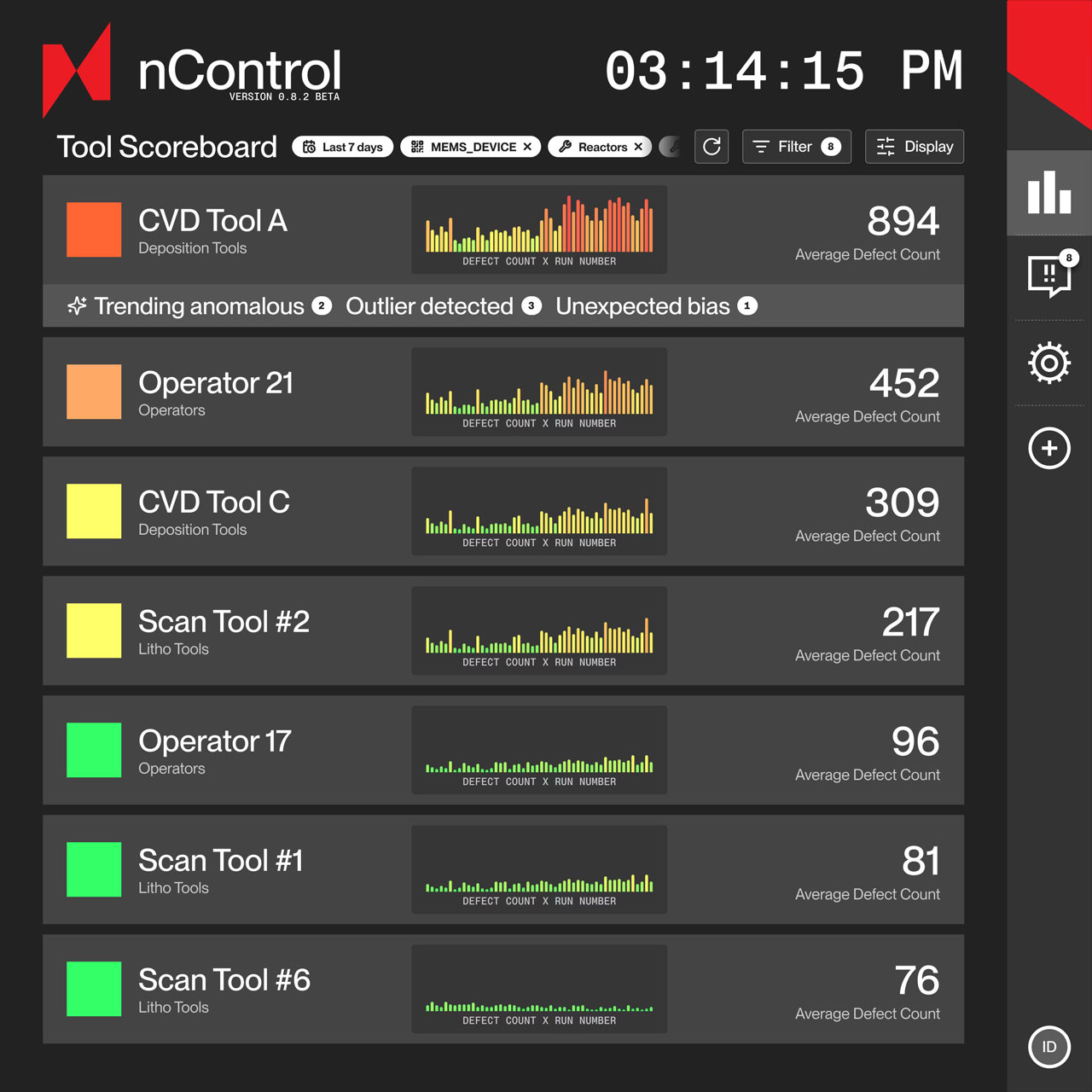
I helped grow nControl from early research into a deployed beta, as scrum master, designer, and developer simultaneously. What started as a single product evolved into two distinct packages through my design process: one focused on deep yield monitoring and autonomous process control, the other a lighter-weight AI insights tool that surfaces anomalies within an engineer's existing workflow. Two entry points into the same platform, each serving a different stage of customer adoption.
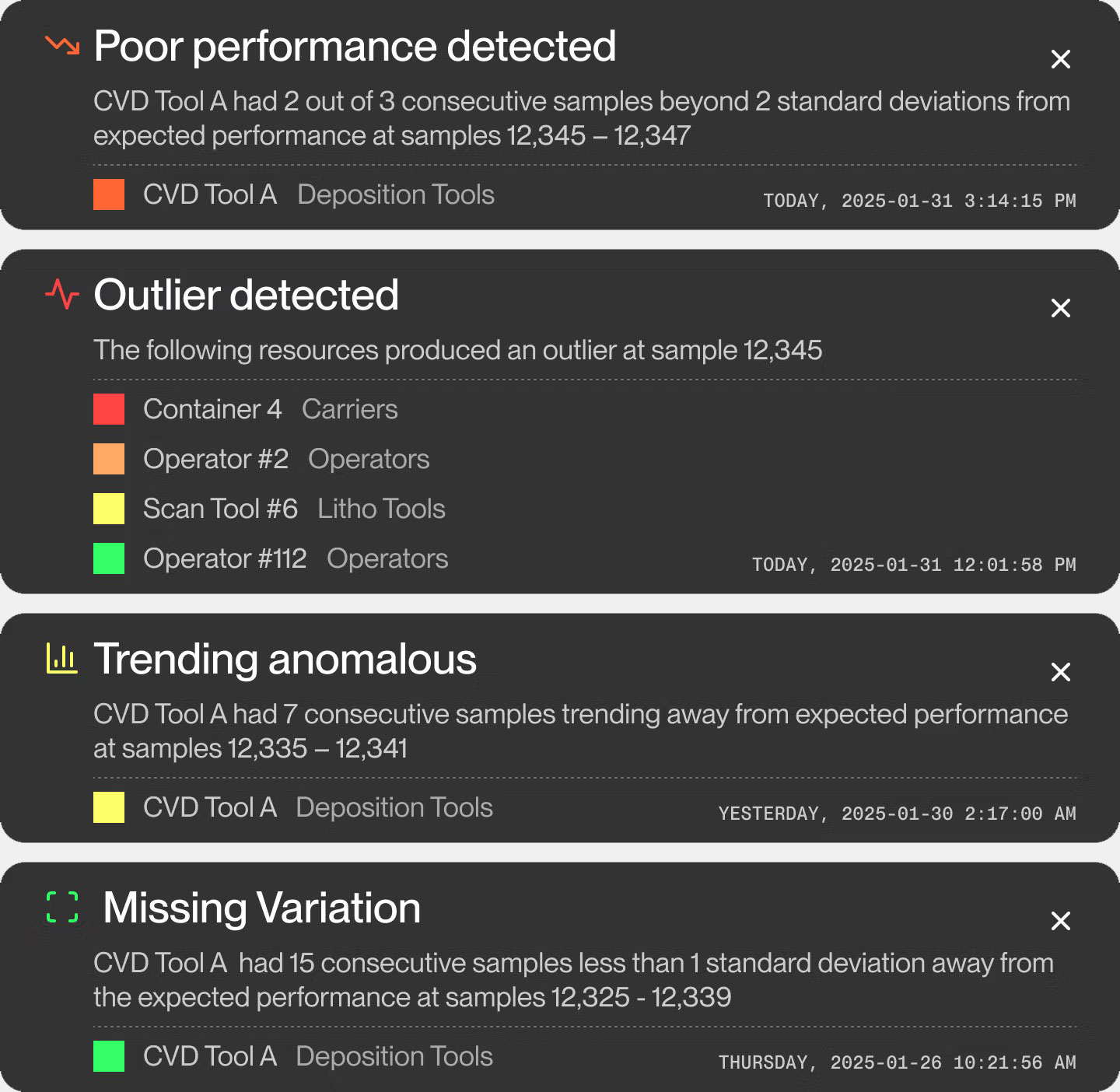
Getting a product this technically complex into real users' hands required constant prioritization and close collaboration across teams. I brought my experience with AI-assisted tools like ChatGPT, Claude Code, and Cursor to allow us to ship features in a fraction of the time and a multiple in quality. There was something fitting about collaborating with AI to build AI for industrial applications.

TEDxBratislava
Speaker · 2017
I was invited to TEDxBratislava to share about my work and research at the intersection of play and technology. I presented to a theater of hundreds of curious individuals, gathered on a weekend to flex their brains. My fellow presenters shared research on climate change and told stories of accidentally becoming internet famous as a stock image model.
My presentation, Creating a Generation of System Thinkers with Play, starts with principals of play before introducing my hypothesis that play can make us better system thinkers. The world continues to become a more complex place and as a society we lack the understanding or even patience for complexity.
We play to have fun, we learn as a side-effect. Play is so powerful because it is voluntary. While I am not advocating for chocolate broccoli, I do believe we can intentionally design playful systems for a bright, cooperative future.
I gave this talk in 2017, prior to shipping the first sets of Blinks to customers. The product evolved significantly, and ultimately I was surprised and delighted by the kinds of play and creative exploration they seeded. It feels like part one of a two part presentation.

Troxes
Founder & Designer · 2014-2018
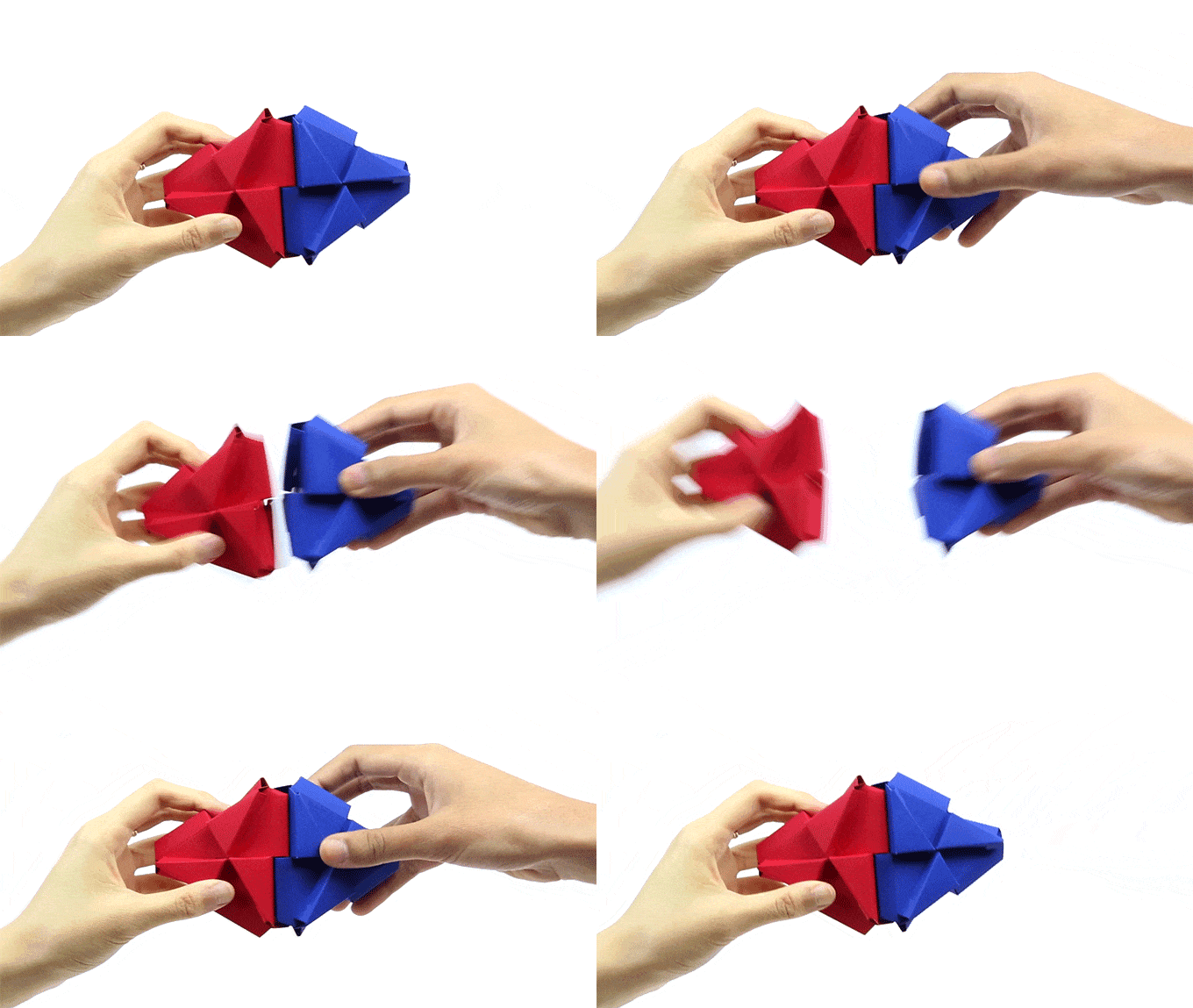
Troxes started with a single fold. A sheet of paper, creased at just the right angle, could lock to another — no glue, no tools, no instructions needed. What emerged from that discovery was a construction system that turns flat triangular tiles into three-dimensional platonic solids: tetrahedra, octahedra, icosahedra, and beyond.
The name is a portmanteau of "trox" — a triangle-based voxel — and the idea that simple units, repeated, build complex wholes. Each tile is identical. The variety comes from how you connect them.
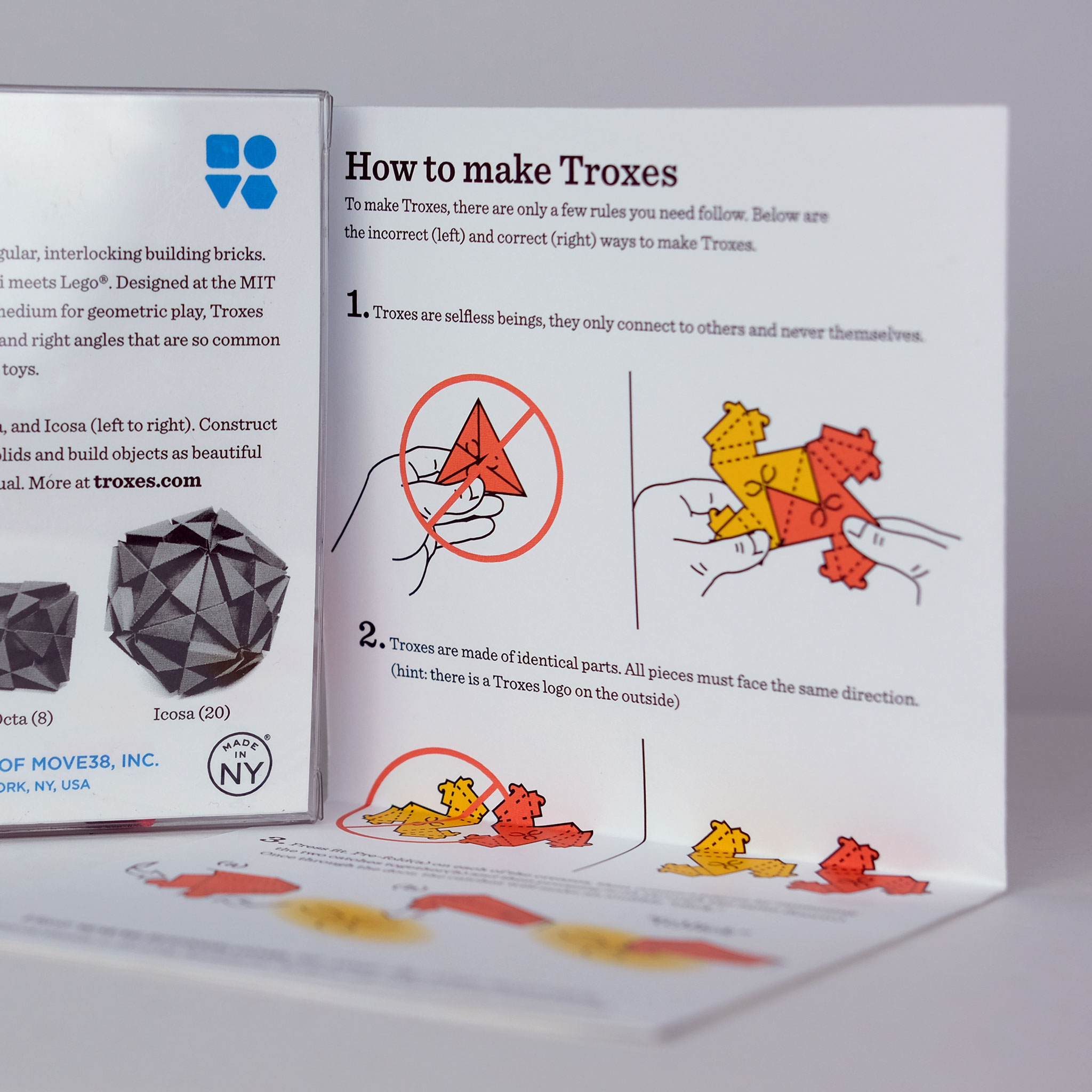
Designing for a child's hands meant designing for forgiveness. The snap mechanism had to be strong enough to hold structure under play, but easy enough that a six-year-old could connect pieces without frustration. That balance took dozens of prototypes — different paper weights, fold geometries, and tab widths — before landing on the final form.
The packaging became part of the product story. Rather than hiding the pieces in a box, Troxes shipped flat in a sleeve: a set of pre-scored sheets ready to fold. Opening the package was the first act of making.

Troxes was funded through Kickstarter, where backers could see the math behind the magic — the relationship between a flat triangle and the five Platonic solids. The campaign video showed kids building structures taller than themselves, then collapsing them flat to start over.
The production run required solving an industrial origami problem: how do you pre-score thousands of sheets per day to fold tolerances tight enough for the snap tabs to work? The answer came from a custom die-cut and score fixture, designed in collaboration with a local paper manufacturer.


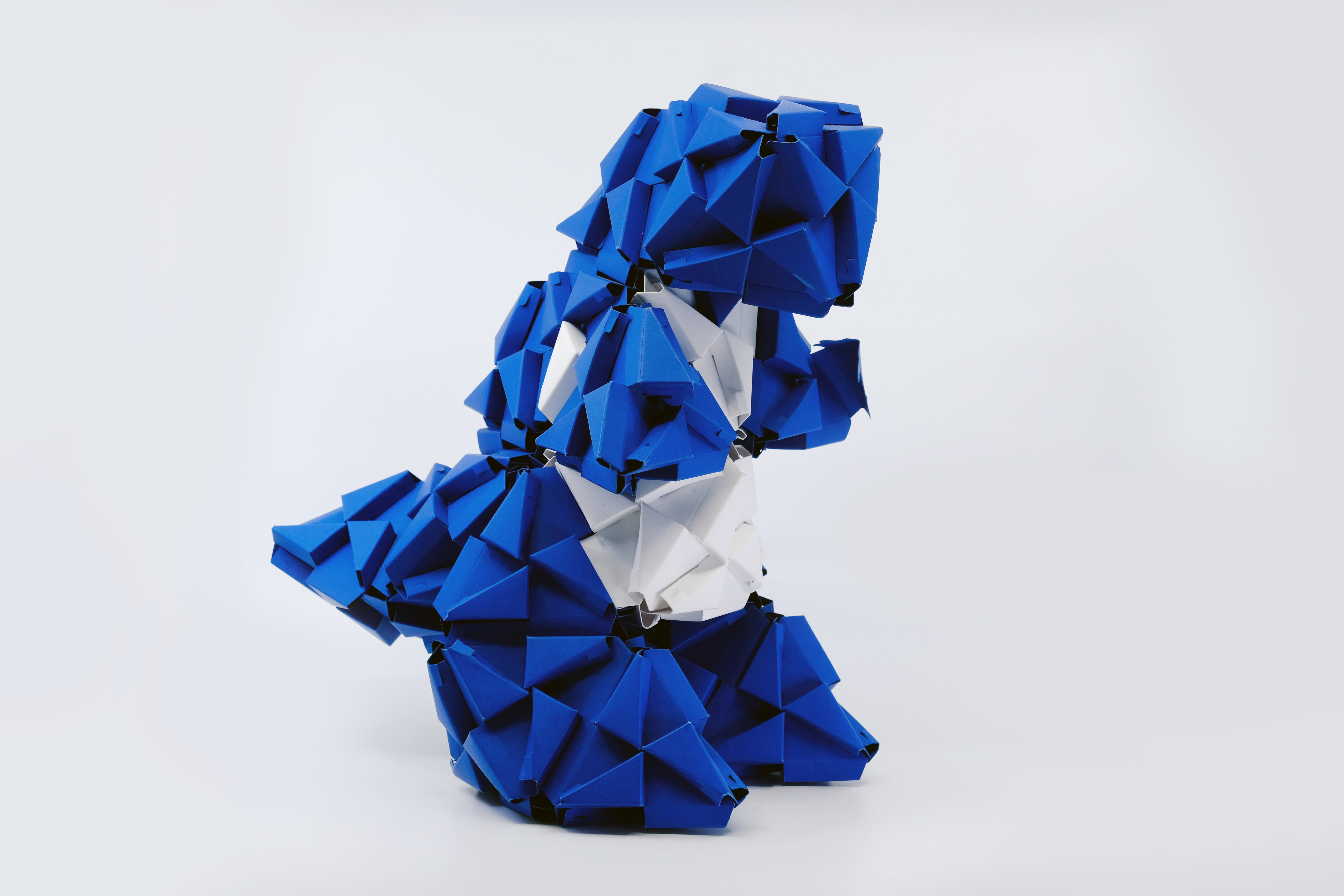
One unexpected discovery: Troxes could represent organic forms, not just geometric ones. The swan above was built entirely from standard tiles — no special pieces, just a different arrangement. This opened up an educational angle around computational thinking: how local rules (identical tiles, fixed connection points) generate global structure (a recognizable bird).
The system also has a mathematical elegance worth teaching. Each platonic solid maps to a specific ratio of tiles to vertices. An icosahedron takes twenty tiles. An octahedron takes eight. Understanding that relationship is a gentle entry point into Euler's formula and the geometry of surfaces.
Troxes was exhibited at the New York Hall of Science, the MIT Media Lab, and several design fairs. In each setting, the same thing happened: adults who "weren't good at math" would build an icosahedron in under ten minutes, look at it, and ask why nobody had shown them geometry this way in school.
That question is still the most motivating thing I've heard about the project. The goal was never to teach math — it was to make something you could hold. The math was already there, waiting in the fold.
Troxes ran until 2018, when the company wound down. The designs are open-source, the fold pattern downloadable. Somewhere out there, people are still building them from scratch.

Now Departing
Founder & Developer · 2024
Know when your train is coming. That's it.
Available in the iOS App Store (for iPhone and WatchOS).
Design across scales
Designing for public signage versus designing for an individual, an iPhone, or a watch, comes with its own affordances and user needs. For example, a public subway sign doesn't care which train you are taking, it is going to prioritize the one that is next. With Now Departing, I made considered decisions about not just what to show, but how to show it. Since users can use Google Maps or similar to get detailed directions, Now Departing gets to focus on a different usecase: "I know where I'm going, I do this everyday, I just need to know when the train is coming."
Javascript on iOS
Now Departing started two years before the app existed, as a Scriptable widget. I wrote the few hundred lines of JavaScript while riding the subway. The goal was to make sure I never enter a subway station, simply to find out I just missed a train and am now past the turnstyle instead of enjoying a matcha. I shared on Twitter, and lots of people asked where they could get it. This was reason enough to turn it into a native app.
I’d love to get feedback on a widget I made for iOS this weekend. I made it as a little present to myself and any other New Yorkers that ride the same Subway everyday. pic.twitter.com/ndvpnADOCY
— Jonathan Bobrow (@JonathanBobrow) December 27, 2022
Native iOS (Swift)
The native version runs on iPhone and Apple Watch. The watch app was the real motivation: a glance at the wrist while walking down the stairs, departure time visible before you reach the turnstile. Getting an Apple Watch as a gift turned into a watchOS project, built in collaboration with ChatGPT as an AI pair programmer, learning the platform's patterns and constraints through conversation rather than documentation alone.
The data comes from the MTA's GTFS Realtime feed via MTAPI, the same source that powers wheresthef***ingtrain.com. The UI is directly inspired by Massimo Vignelli's clean black and white typography and lines — departure times, line icons, nothing extra. Home screen widgets extend the same information without opening the app.
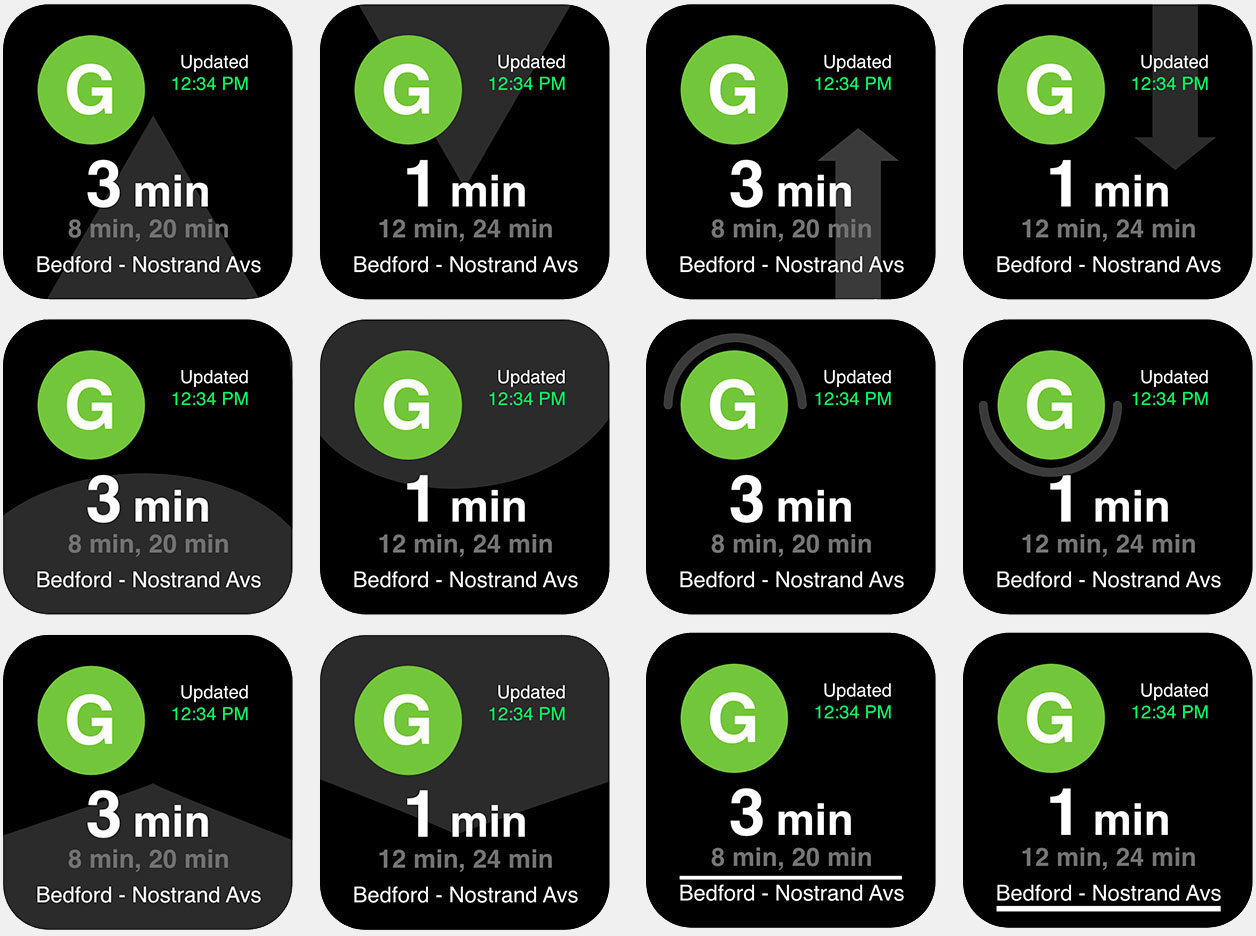
The original Scriptable version is still in the repository, a JavaScript artifact from before there was a native option. The following is some explorations for how to have the widget show train direction.

Avedon
iOS Developer · Potion · 2014
Working with The Richard Avedon Foundation and my team at Potion, I led development on an iPad app to explore thousands of images from an archive of over 50,000. Potion continues its streak of creating elegant new ways to explore content, draw connections, and use an iPad for what it is best at — a window into another world.
My work on the app spanned a year from research and discovery to concept development and parametric design sketches, eventually building a CMS and working with my coworkers to develop a fully native iOS app. Handling this many images at varying sizes with image quality as a top priority is no small task. Every image can be viewed with retina display quality and even zoomed to greater detail. Related topics for images allow photos to be juxtaposed much like the process of curating an exhibit.